
Walking
Therapy
Ecotherapy • Mindfulness • CBT • DBT • Executive Functioning Coaching
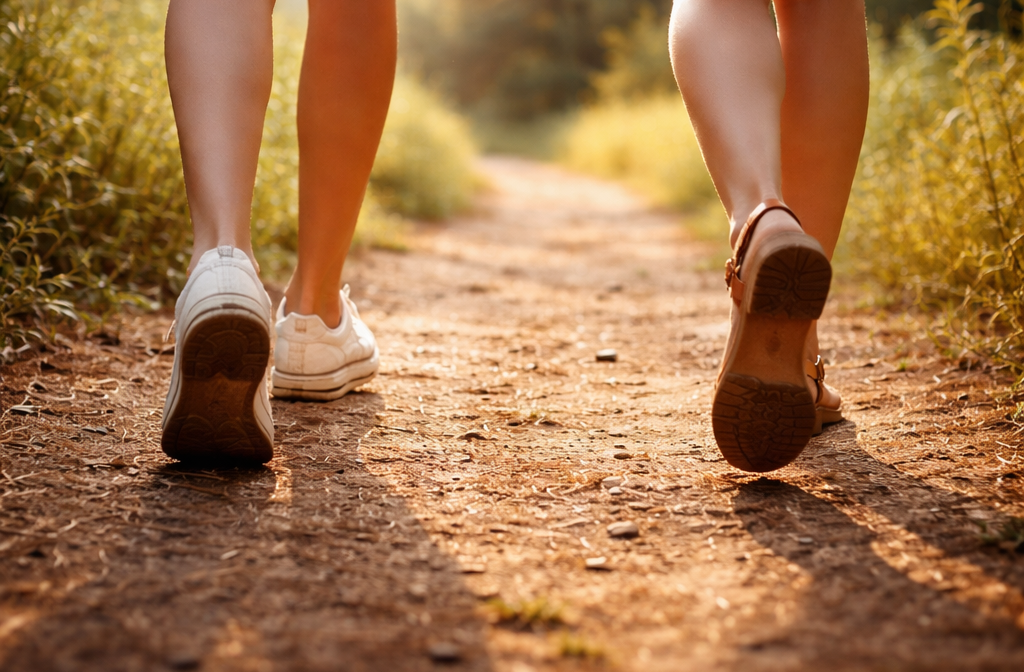
For local clients, we offer Walking & Movement Therapy within a 10-mile radius of Gig Harbor. Walking therapy offers a grounded, refreshing way forward. Through movement, nature, and guided conversation, we’ll help you process emotions, reduce stress, and reconnect with yourself, so you can feel clearer, calmer, and more present in your life.

1

How Sessions Work
Intake & Assessment
Clarify goals, access, comfort level, and any mobility needs.
2
Mindful Start
Brief grounding or breathwork to set intention.
3
Guided Walking & Movement
Side-by-side walking or gentle movement while integrating CBT/DBT skills and mindfulness.
4
Reflection & Integration
Debrief insights, translate skills to daily routines, and set simple home practices.
Who Is This Ideal For?
Adults seeking a more embodied, nature-based therapy experience; individuals managing anxiety, stress, life transitions, or burnout; anyone who feels more at ease thinking and talking while in motion.
Outcomes You Can Expect
Reduced stress and nervous system regulation
Improved mood and emotional processing
Greater mental clarity and perspective
Stronger connection to self and environment

The Science behind Walking Therapy
Integrating movement and nature into psychotherapy may support improved outcomes for PTSD, anxiety, depression, and ADHD by increasing engagement, regulation, and mind-body awareness. The approach can also incorporate EMDR-informed principles, including grounding, resourcing, dual attention, nervous system regulation, and helping clients process experiences while staying connected to the present moment. When combined with CBT, DBT, executive functioning coaching, and mindfulness, these strategies can strengthen emotional regulation, cognitive flexibility, stress recovery, and the ability to apply new skills outside of therapy. Clients often find that movement and an outdoor setting make it easier to engage, reflect, and translate insight into meaningful change.